News›12/12/2022
Three ways UV lamp choice affect maintenance costs in professional kitchens
UV lamp selection significantly impacts professional kitchen maintenance expenses through efficiency, cleanliness, and lamp longevity.
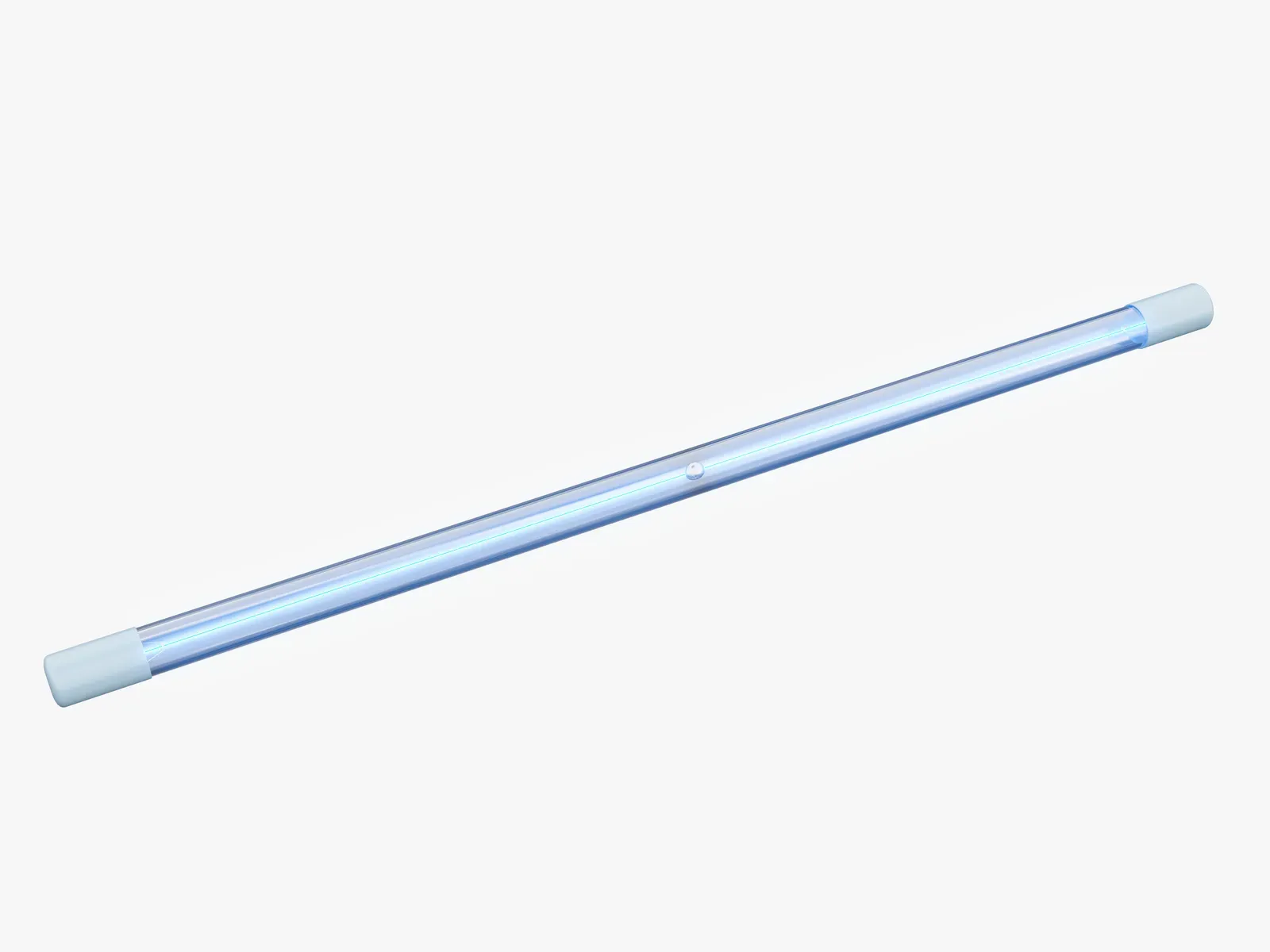
UV lighting serves as a common air purification technology in professional kitchens, but selecting the appropriate system substantially influences both operational efficiency and lifecycle costs. The article identifies three critical factors that kitchen operators should consider when evaluating UV applications for exhaust air treatment. Effective grease degradation requires combining two UV wavelengths. UV-C, the traditional technology at 254 nm, prevents bacterial growth and combats microorganisms. Vacuum UV, meanwhile, efficiently breaks down airborne fat particles while producing ozone to enhance air purification and eliminate odors. Neither wavelength alone achieves optimal cleaning results; the combination provides superior performance. Professional-grade Dual UV lamps deliver 50 mW of UV intensity per square centimeter—the threshold necessary for fat particle dissolvance—and maintain twice the intensity of comparable market alternatives. The cleanliness of ductwork and grease chambers directly affects both fire safety and maintenance expenses. A vocational college in Helsinki demonstrates this benefit: their facility with over one hundred CleanMaster hoods has required no duct sweeping since 2017 installation. Long-lasting lamps reduce replacement frequency and associated labor costs. Dual UV technology retains over 96% of original intensity throughout its 16,000-hour service life, requiring replacement half as frequently as competing systems. Additionally, only one lamp per hood is needed rather than two.